Skip to content

Educational reference only (Canada & US). Natural health product & supplement statements have not been evaluated as medical advice by Health Canada or the U.S. FDA and are not intended to diagnose, treat, cure, or prevent disease.

Language switched to English
HerbAlly
Back to Herbs

This information is for educational purposes only and is not a substitute for professional medical advice, diagnosis, or treatment. Always consult your healthcare provider before using herbs, especially if you are pregnant, nursing, taking medications, or have a medical condition.

Himalayan Neem
Immune Support

Himalayan Neem

Picrasma quassioides

Source-checked · 2 sources

Overall grade reflects the strongest cited indication — evidence varies by use, dose, and preparation, and only applies when the botanical is safe for use.

Safety at a glance

Pregnancy
Not recommended (precautionary)
Nursing
Not recommended (precautionary)
Children (<18)
Pediatric dosing not available — unvalidated
Drug interactions

No interactions recorded in our database

Not recommended in these cases

  • Pregnancy and breastfeeding (medical advice required)
  • cold deficiency conditions

A summary, not a complete list — check every medication you take with your pharmacist.

How to read the evidence and review labels

Source check: 2 sourcesEditorial compilationNot clinically reviewedEditorial policyLast updated: November 25, 2026Suggest an edit
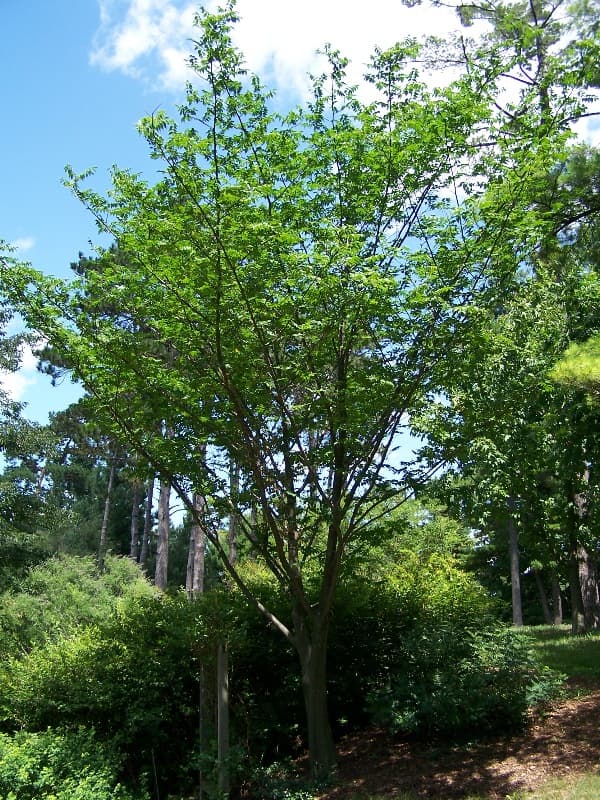
Himalayan Neem — botanical photograph
Bruce Marlin · CC BY-SA 2.5 · via Wikimedia Commons

Picrasma quassioides (D. Don) Benn., synonymous with Picrasma javanica in part, is a small tree of the family Simaroubaceae known in Tibetan Sowa Rigpa as a bitter 'heat-clearing' botanical and in Chinese medicine as Kumu (苦木). The stem and heartwood are the primary medicinal parts, characterized chemically by intense bitterness attributable to C-20 quassinoid (quassinoid-type degraded triterpenes) and a rich alkaloid complement, including beta-carboline and canthinone alkaloids such as picrasidines, kumujansine, and related indole alkaloids. Peer-reviewed analytical reviews document that extracts and isolated constituents demonstrate anti-inflammatory, antimicrobial, antiprotozoal, insecticidal, cytotoxic, and neuroprotective activities in in vitro and animal models, with anti-inflammatory effects linked to modulation of inflammatory signaling pathways. Clinically, the evidence base consists principally of preclinical pharmacology and phytochemical characterization; robust randomized human trials remain limited. Established therapeutic scope is therefore traditional use for fever, infection, gastrointestinal complaints, and hepatic complaints, with pharmacological plausibility rather than proven clinical efficacy for most modern indications. Practitioners should treat it as a potent bitter of traditional standing whose applications await adequately powered clinical confirmation.

Sources checked for this entry

2 independent sources · Last checked 2026-11-03

Cross-checked against these sources; where nothing was found, the page says so rather than filling the gap.

What the records say

Traditional and modern use

Traditionally Himalayan Neem has been used for in tibetan sowa rigpa, traditionally documented as a bitter 'heat-clearing' remedy applied to fever, infections, and heat disorders of the liver., in traditional chinese medicine, historically recorded (kumu) as a detoxifying, heat-drying bitter for dysentery-type diarrhea and 'toxin-heat' skin sores., in himalayan folk medicine, traditionally utilized as a bitter tonic for digestive complaints and as an external wash historically applied to infected or inflamed skin., historically administered across indo-himalayan practices as an antipyretic bitter for intermittent fevers, reflecting a quinine-like usage pattern. and traditionally documented as an anthelmintic and antimalarial bitter in regional ethnobotanical records of nepal and adjacent himalayan regions.. Modern sources describe use in supported by preclinical pharmacology (not established human efficacy): anti-inflammatory activity of quassinoid and canthinone constituents in animal and cell models, summarized in review literature (pmid 34659503)., preliminary / limited evidence: antimicrobial and antiprotozoal activity demonstrated in vitro; no adequately powered human clinical trials confirming efficacy against bacterial, protozoal, or helminthic infections., preliminary / limited evidence: cytotoxic and anticancer activities of isolated alkaloids in cell lines; explicitly not supported by human clinical oncology evidence and should not be presented as an anticancer treatment., preliminary / limited evidence: neuroprotective signals in experimental models reviewed in the pharmacological literature; human evidence does not currently support any neuroprotective therapeutic application. and no evidence of established clinical efficacy: traditional uses for fever, hepatic heat, and digestive complaints remain pharmacologically plausible but lack randomized human trial support..

Recorded dose

The sources record 3-9g daily.

Safety

It is not considered safe in pregnancy on the evidence recorded here. Use while breastfeeding is likewise not advised. No curated drug interactions are currently listed below; absence from this table does not rule out interactions.

In the regulator's words

Health Canada's records state: “Pregnancy and breastfeeding (medical advice required)” and “cold deficiency conditions”.

Supplemental AI research summary · Not human-reviewed

Supplemental AI-compiled PubMed research summary (independent of top profile checks)

Separate from any top-of-page identity or regulatory source check, this supplemental section summarizes selected PubMed (NIH) abstracts using AI assistance and has NOT been human-reviewed. Verify claims directly in PubMed and consult a healthcare provider before use.

Compiled from 30 PubMed articles

Summary

Picrasma quassioides is an Asian shrub used in traditional medicine with demonstrated anti-inflammatory, anticancer, and neuroprotective pharmacological activities [PMID:34659503, PMID:32858812].

Background

Picrasma quassioides (D. Don) Benn is a member of the Simaroubaceae family commonly grown in Asia, the Himalayas, and India [PMID:32858812, PMID:35783065]. It is recorded in the Chinese Pharmacopeia as Kumu [PMID:38964561].

Traditional uses

Traditionally used to treat fever, gastric discomfort, pediculosis [PMID:32858812], inflammation, microbial infection, and dysentery [PMID:31520892]. It is also used for anemopyretic cold, eczema, nausea, loss of appetite, diabetes mellitus, hypertension [PMID:32606152], and skin conditions such as atopic dermatitis, psoriasis, scabies, and boils [PMID:38789093].

Active compounds

The plant contains a complex mixture of phytochemicals, primarily alkaloids (including β-carbolines, canthinones, and alkaloid dimers), quassinoids, and terpenoids (such as tirucallane and apotirucallane triterpenoids) [PMID:32858812, PMID:34768188, PMID:27494664]. Specific active ingredients include methylnigakinone [PMID:35870280] and canthin-6-one [PMID:35472694].

Mechanism of action

Anticancer effects are mediated via the ROS-mitochondrial axis activating the p38 MAPK signaling pathway in cervical cancer cells [PMID:32606152] and by inhibiting the EMT process through upregulation of E-cadherin and ZO-1 and downregulation of beta-catenin and Snail in head and neck squamous cell carcinoma [PMID:37686036]. Neuroprotective effects occur via suppression of cell apoptosis and downregulation of caspase-3 activation [PMID:30917277], and by ameliorating LPS-induced astrocyte activation to protect the blood-brain barrier [PMID:35472694]. Anti-inflammatory activity is associated with the inhibition of nitric oxide (NO), TNF-α, and IL-6 production [PMID:21372418].

Clinical evidence

Provisional grades: study grades in unreviewed AI-compiled drafts may reflect preclinical or review papers until human-reviewed.

Laboratory (in vitro)Alzheimer's Disease

EtOAc extract of stems improved memory and cognitive abilities in amyloid-β peptide-induced AD mice and showed neuroprotective activities in vitro [PMID:31520892]

Preclinical (animal)Rheumatoid Arthritis

Total alkaloid extract delivered via hyaluronic acid decorated lipid-polymer hybrid nanoparticles showed anti-inflammatory activity in collagen-induced arthritis rats [PMID:37023852]

Unclassified / anecdotalStudy grade DHepatocellular Carcinoma

Medicated serum of P. quassioides exerts an inhibitory effect on the growth of HCC cells [PMID:40092104]

Safety & adverse effects

Total alkaloid extracts have been noted to have high toxicity with an IC50 of 8.088 ± 0.903 μg/ml [PMID:37023852].

Evidence summary

The current evidence is primarily based on in vitro cell studies, in silico computational modeling, and animal models (mice and rats). There are no human clinical trials provided; therefore, the overall strength of evidence for clinical application is low (Level D).

PubMed sources

  1. 1.PMID: 34659503 (2021) — Pharmacological effects of Picrasma quassioides (D. Don) Benn for inflammation, cancer and neuroprotection (Review). · Experimental and therapeutic medicine
  2. 2.PMID: 32858812 (2020) — Phytochemistry, Traditional Use and Pharmacological Activity of Picrasma quassioides: A Critical Reviews. · Nutrients
  3. 3.PMID: 39170506 (2024) — Progress in the study of chemical composition, biological activity, and its metabolism of the Picrasma quassioides. · Heliyon
  4. 4.PMID: 34768188 (2022) — Alkaloids from Picrasma quassioides: An overview of their NMR data, biosynthetic pathways and pharmacological effects. · Phytochemistry
  5. 5.PMID: 31520892 (2019) — Effects of Picrasma quassioides and its active constituents on Alzheimer's disease in vitro and in vivo. · Bioorganic chemistry
  6. 6.PMID: 32606152 (2020) — Picrasma quassioides Extract Elevates the Cervical Cancer Cell Apoptosis Through ROS-Mitochondrial Axis Activated p38 MAPK Signaling Pathway. · In vivo (Athens, Greece)
  7. 7.PMID: 30917277 (2019) — Quassinoids from Picrasma quassioides and Their Neuroprotective Effects. · Journal of natural products
  8. 8.PMID: 38964561 (2024) — Picrasma quassioides leaves: Insights from chemical profiling and bioactivity comparison with stems. · Fitoterapia
  9. 9.PMID: 35783065 (2022) — The complete chloroplast genome sequence of Picrasma quassioides (D. Don) Benn. 1844 (Simaroubaceae). · Mitochondrial DNA. Part B, Resources
  10. 10.PMID: 40092104 (2025) — Mechanisms of Picrasma quassioides against hepatocellular carcinoma elucidated by network pharmacology and experimental validation. · American journal of translational research
  11. 11.PMID: 38789093 (2024) — Anti-apoptotic, anti-inflammatory, and anti-melanogenic effects of the ethanol extract of Picrasma quassioides (D. Don) Benn. · Journal of ethnopharmacology
  12. 12.PMID: 37023852 (2023) — Enhanced Anti-Rheumatoid Arthritis Activity of Total Alkaloids from Picrasma Quassioides in Collagen-Induced Arthritis Rats by a Targeted Drug Delivery System. · Journal of pharmaceutical sciences
  13. 13.PMID: 35870280 (2022) — Methylnigakinone content determination and geographical origin discrimination for P. quassioides via fluorescence fingerprint and principal component analyses. · Journal of pharmaceutical and biomedical analysis
  14. 14.PMID: 36729583 (2023) — Chemical constituents from the twigs and leaves of Picrasma quassioides. · Journal of Asian natural products research
  15. 15.PMID: 30530072 (2019) — New tirucallane triterpenoids from Picrasma quassioides with their potential antiproliferative activities on hepatoma cells. · Bioorganic chemistry
  16. 16.PMID: 36693439 (2023) — &#x3b2;-Carboline alkaloids from Picrasma quassioides and their 3D-QSAR study on anti-inflammation in LPS-induced RAW 264.7 cells. · Fitoterapia
  17. 17.PMID: 36464333 (2022) — In vivo and in vitro antifungal activities of five alkaloid compounds isolated from Picrasma quassioides (D. Don) Benn against plant pathogenic fungi. · Pesticide biochemistry and physiology
  18. 18.PMID: 31820963 (2020) — Quassinoids with Insecticidal Activity against Diaphorina citri Kuwayama and Neuroprotective Activities from Picrasma quassioides. · Journal of agricultural and food chemistry
  19. 19.PMID: 40817034 (2025) — C-14 oxygenated quassinoids with control effect against larvae of Diaphorina citri Kuwayama from fruits of Picrasma quassioides. · Pest management science
  20. 20.PMID: 37832877 (2024) — Aromatic glycosides and lignans glycosides with their acetylcholinesterase inhibitory activities from the leaves of Picrasma quassioides. · Fitoterapia
  21. 21.PMID: 40225887 (2025) — Decoding the Chloroplast Genome of Bitterwood (Picrasma quassioides): Structure, Variability, and Evolutionary Relationships. · Ecology and evolution
  22. 22.PMID: 35472694 (2022) — Canthin-6-one (CO) from Picrasma quassioides (D.Don) Benn. ameliorates lipopolysaccharide (LPS)-induced astrocyte activation and associated brain endothelial disruption. · Phytomedicine : international journal of phytotherapy and phytopharmacology
  23. 23.PMID: 30369253 (2020) — (&#xb1;)-Quassidine K, a pair of cytotoxic bis-&#x3b2;-carboline alkaloid enantiomers from Picrasma quassioides. · Natural product research
  24. 24.PMID: 37686036 (2023) — Picrasidine J, a Dimeric &#x3b2;-Carboline-Type Alkaloid from Picrasma quassioides, Inhibits Metastasis of Head and Neck Squamous Cell Carcinoma. · International journal of molecular sciences
  25. 25.PMID: 31882044 (2019) — A pair of new tirucallane triterpenoid epimers from the stems of Picrasma quassioides. · Chinese journal of natural medicines
  26. 26.PMID: 21372418 (2011) — Anti-inflammatory alkaloids from the stems of Picrasma quassioides BENNET. · Chemical & pharmaceutical bulletin
  27. 27.PMID: 38867763 (2024) — Computational exploration of Picrasma quassioides compounds as CviR-mediated quorum sensing inhibitors against Chromobacterium violaceum. · Frontiers in chemistry
  28. 28.PMID: 30654128 (2019) — Discovery of potent indoleamine 2,3-dioxygenase (IDO) inhibitor from alkaloids in Picrasma quassioides by virtual screening and in vitro evaluation. · Fitoterapia
  29. 29.PMID: 27494664 (2016) — Cytotoxic Tirucallane and Apotirucallane Triterpenoids from the Stems of Picrasma quassioides. · Journal of natural products
  30. 30.PMID: 19586051 (2009) — Tobacco mosaic virus (TMV) inhibitors from Picrasma quassioides Benn. · Journal of agricultural and food chemistry
Safety Information
Important safety considerations for this herb
Not recommended during pregnancy
Not recommended while nursing

Contraindications

  • Pregnancy and breastfeeding (medical advice required)
  • cold deficiency conditions

Possible Side Effects

  • nausea
  • gastric irritation

Sources & Citations

  • PubMed · Alkaloids from Picrasma quassioides: An overview of their NMR data, biosynthetic pathways and pharmacological effects. (2022)Source
  • PubMed · Pharmacological effects of Picrasma quassioides (D. Don) Benn for inflammation, cancer and neuroprotection (Review). (2021)Source

What licensed products claim

Quoted from product licences issued by Health Canada. These indications and adult doses apply only to the specific licensed extract/formulation on file — not universal recommendations for raw herbs or other brands.

Indications on record

  • Traditional Chinese Medicine used to clear toxic heat and remove Dampness.

Adult doses on record

  • 1 Serving · Adults · 18+

Risk statements

  • If you are pregnant or breastfeeding, do not use.
  • If symptoms persist or worsen, or if new symptoms develop, discontinue use and consult a health care practitioner. If you are taking prescription medications, consult a health care practitioner prior to use. Consult a health care practitioner prior to use to if you have serious or major conditions, any type of acute infection, deficiency or excess.

Drawn from 1 licensed product. Health Canada, Licensed Natural Health Products Database — retrieved November 2026.

Government sources

No direct NIH, EMA, or WHO monograph link is mapped for this herb yet. Use the official registry search links below to inspect primary regulatory records directly.

Frequently asked questions

What is Himalayan Neem used for?

In Tibetan Sowa Rigpa, traditionally documented as a bitter 'heat-clearing' remedy applied to fever, infections, and heat disorders of the liver. In traditional Chinese medicine, historically recorded (Kumu) as a detoxifying, heat-drying bitter for dysentery-type diarrhea and 'toxin-heat' skin sores. In Himalayan folk medicine, traditionally utilized as a bitter tonic for digestive complaints and as an external wash historically applied to infected or inflamed skin. (Recorded from licensed-product and monograph sources: Health Canada LNHPD; PubMed.)

What dose of Himalayan Neem is used?

3-9g daily. This is the labelled or monograph dose recorded for this entry, not a personal recommendation. (Health Canada LNHPD; PubMed.)

Who should avoid Himalayan Neem?

Pregnancy. Cold deficiency conditions. These cautions come from the product labels and monographs attached to this entry.

Where does this information about Himalayan Neem come from?

This entry was cross-checked against: Health Canada LNHPD; PubMed. Every claim on this page is attributed to one of those sources, and fields with no source are left blank rather than filled in.

Calculate a safe dose of Himalayan Neem

Free adult monograph reference checker (18+ — unscaled adult reference doses).

Calculate Dose
Share:XFBin

The safety digest

One short email when a herb-drug interaction worth knowing about changes. No newsletter theatre, no daily drip. Unsubscribe in one click.

By subscribing you agree to receive HerbAlly's occasional safety digest. You can unsubscribe at any time.