
Skip to content

Educational reference only (Canada & US). Natural health product & supplement statements have not been evaluated as medical advice by Health Canada or the U.S. FDA and are not intended to diagnose, treat, cure, or prevent disease.

Language switched to English
HerbAlly
Back to Herbs

This information is for educational purposes only and is not a substitute for professional medical advice, diagnosis, or treatment. Always consult your healthcare provider before using herbs, especially if you are pregnant, nursing, taking medications, or have a medical condition.

Hypecoum pendulum
Nervine

Hypecoum pendulum

Identity checked · 3 sources

Overall grade reflects the strongest cited indication — evidence varies by use, dose, and preparation, and only applies when the botanical is safe for use.

Safety at a glance

Pregnancy
Unknown — insufficient human data
Nursing
Unknown — insufficient human data
Children (<18)
Pediatric dosing not available — unvalidated
Drug interactions

No interactions recorded in our database

Not recommended in these cases

  • Pregnancy and breastfeeding (medical advice required)

A summary, not a complete list — check every medication you take with your pharmacist.

How to read the evidence and review labels

Source check: 3 sourcesEditorial compilationNot clinically reviewedEditorial policyLast updated: November 25, 2026Suggest an edit
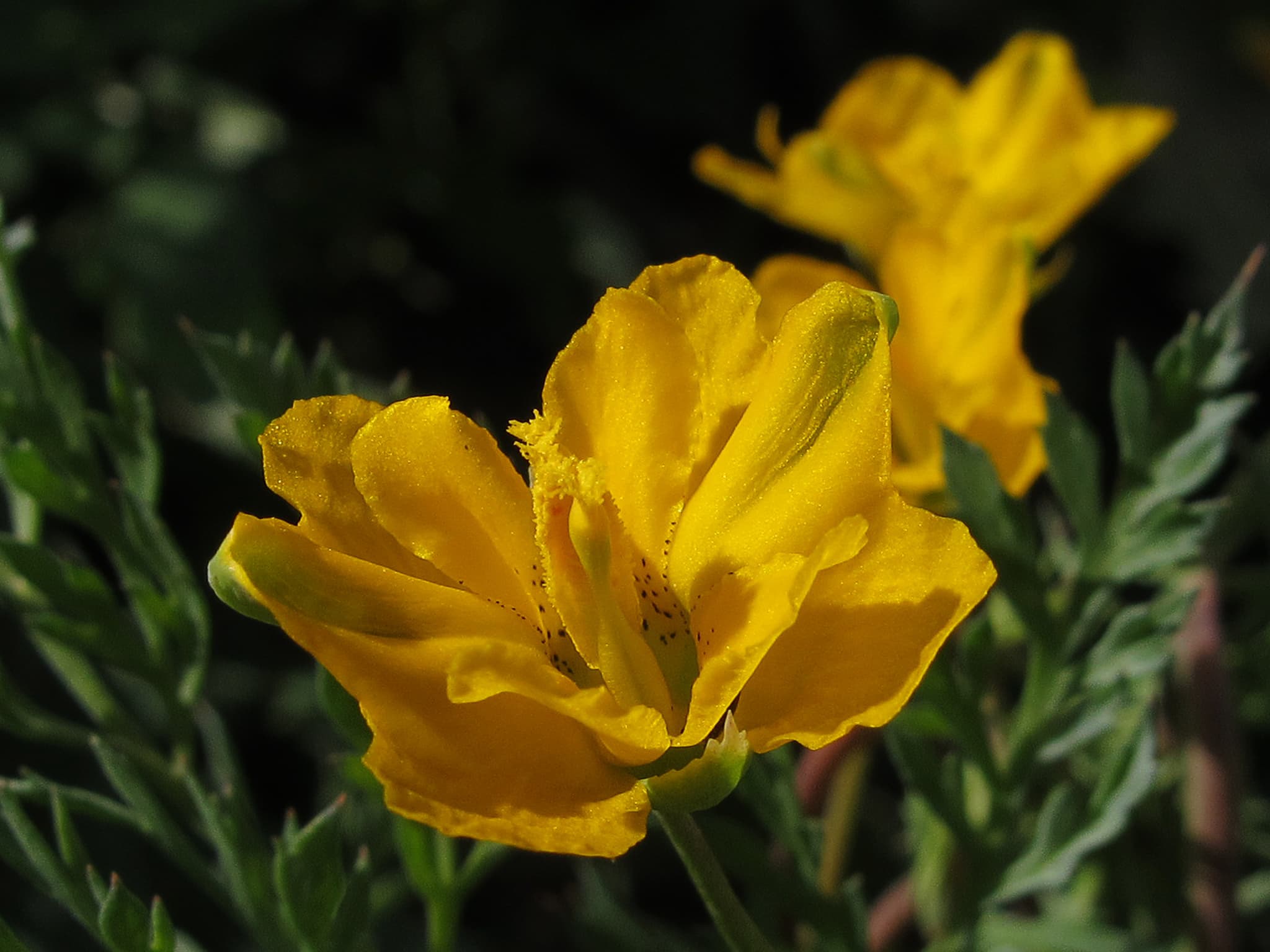
Hypecoum pendulum — botanical photograph
jacilluch · CC BY-SA 2.0 · via Wikimedia Commons

Hypecoum pendulum, a Mediterranean member of the Papaveraceae family, is also called Nodding Hypecoum or Twinspur. It is traditionally recorded in Turkish and Persian folk medicine for pain relief, sedation and cough. The plant contains alkaloids, tannins and flavonoids, and its aqueous extract has been noted for its ability to reduce and stabilize silver nanoparticles.

Sources checked for this entry

0 independent sources · Last checked 2026-11-25

Botanical identity confirmed via:

Cross-checked against these sources; where nothing was found, the page says so rather than filling the gap.

What the records say

Traditional and modern use

Traditionally Hypecoum pendulum has been used for pain relief, sedation and cough. Modern sources describe use in mild analgesic and mild sedative.

Recorded dose

The sources record 2-3g dried herb tea 2x/day.

Safety

It is not considered safe in pregnancy on the evidence recorded here. Use while breastfeeding is likewise not advised. No curated drug interactions are currently listed below; absence from this table does not rule out interactions.

In the regulator's words

The source records state: “Pregnancy and breastfeeding (medical advice required)”.

Supplemental AI research summary · Not human-reviewed

Supplemental AI-compiled PubMed research summary (independent of top profile checks)

Separate from any top-of-page identity or regulatory source check, this supplemental section summarizes selected PubMed (NIH) abstracts using AI assistance and has NOT been human-reviewed. Verify claims directly in PubMed and consult a healthcare provider before use.

Compiled from 2 PubMed articles

Summary

Hypecoum pendulum L. extracts have been used for the biogenic synthesis of silver nanoparticles (HP-AgNPs) which demonstrate anticancer, antimicrobial, and anti-hyperglycemic properties [PMID: 41036701, PMID: 41417455].

Background

Hypecoum pendulum L. (HP) is a plant whose aqueous extract can be utilized as a reducing and stabilizing agent for the green synthesis of silver nanoparticles [PMID: 41036701, PMID: 41417455].

Active compounds

The provided abstracts do not list specific isolated active compounds, but note that the aqueous extract contains functional moieties capable of stabilizing and reducing silver nanoparticles [PMID: 41417455].

Clinical evidence

Provisional grades: study grades in unreviewed AI-compiled drafts may reflect preclinical or review papers until human-reviewed.

Laboratory (in vitro)Cancer

HP-AgNPs showed outstanding in vitro anticancer and genotoxic potentials on baby hamster kidney cells (BHK-21) and human blood lymphocytes [PMID: 41036701]

Preclinical (animal)Hyperglycemia (Diabetes)

In vivo treatment of alloxan-induced diabetic female Sprague-Dawley rats with HP extract and HP-AgNPs for 21 days resulted in significant gains in average body weight and organ weight [PMID: 41417455]

Laboratory (in vitro)Microbial Infections

HP-AgNPs demonstrated in vitro antimicrobial potency [PMID: 41417455]

Safety & adverse effects

HP-AgNPs were assessed for genotoxic potentials using the alkaline comet assay on human blood lymphocytes [PMID: 41036701].

Evidence summary

The current evidence is limited to preliminary in vitro and in vivo animal studies (Level D) focusing on the application of the herb in nanoparticle synthesis rather than clinical human use.

PubMed sources

  1. 1.PMID: 41036701 (2026) — Biogenic Synthesis and Characterization of Hypecoum pendulum Mediated Silver Nanoparticles: Revealed Outstanding Anticancer and Genotoxic Potentials. · Journal of applied toxicology : JAT
  2. 2.PMID: 41417455 (2026) — Green Synthesis of Silver Nanoparticles Using Hypecoum pendulum L. Extract: In Vivo Anti-Hyperglycemic and In Vitro Antimicrobial Effects. · Molecular biotechnology
Safety Information
Important safety considerations for this herb
Unknown — insufficient human data

Contraindications

  • Pregnancy and breastfeeding (medical advice required)

Possible Side Effects

  • mild sedation
  • GI upset

Sources & Citations

  • PubMed · Biogenic Synthesis and Characterization of Hypecoum pendulum Mediated Silver Nanoparticles: Revealed Outstanding Anticancer and Genotoxic Potentials. (2026)Source
  • PubMed · Green Synthesis of Silver Nanoparticles Using Hypecoum pendulum L. Extract: In Vivo Anti-Hyperglycemic and In Vitro Antimicrobial Effects. (2026)Source

Government sources

No direct NIH, EMA, or WHO monograph link is mapped for this herb yet. Use the official registry search links below to inspect primary regulatory records directly.

Frequently asked questions

What is Hypecoum pendulum used for?

No specific therapeutic indication is recorded for Hypecoum pendulum in the sources attached to this entry. Health Canada licenses products containing it, but the licence records we read give no per-product indication, so none is stated here.

What dose of Hypecoum pendulum is used?

2-3g dried herb tea 2x/day. This is the labelled or monograph dose recorded for this entry, not a personal recommendation.

Who should avoid Hypecoum pendulum?

Pregnancy. These cautions come from the product labels and monographs attached to this entry.

Where does this information about Hypecoum pendulum come from?

This entry was cross-checked against: ITIS; NCBI Taxonomy; GBIF. Every claim on this page is attributed to one of those sources, and fields with no source are left blank rather than filled in.

Calculate a safe dose of Hypecoum pendulum

Free adult monograph reference checker (18+ — unscaled adult reference doses).

Calculate Dose
Share:XFBin

The safety digest

One short email when a herb-drug interaction worth knowing about changes. No newsletter theatre, no daily drip. Unsubscribe in one click.

By subscribing you agree to receive HerbAlly's occasional safety digest. You can unsubscribe at any time.