Skip to content

Educational reference only (Canada & US). Natural health product & supplement statements have not been evaluated as medical advice by Health Canada or the U.S. FDA and are not intended to diagnose, treat, cure, or prevent disease.

Language switched to English
HerbAlly
Back to Herbs

This information is for educational purposes only and is not a substitute for professional medical advice, diagnosis, or treatment. Always consult your healthcare provider before using herbs, especially if you are pregnant, nursing, taking medications, or have a medical condition.

Lian Zi
Cardiovascular

Lian Zi

Nelumbo nucifera

Identity checked · 4 sources

Overall grade reflects the strongest cited indication — evidence varies by use, dose, and preparation, and only applies when the botanical is safe for use.

Safety at a glance

Pregnancy
Unknown — insufficient human data
Nursing
Unknown — insufficient human data
Children (<18)
Pediatric dosing not available — unvalidated
Drug interactions

No interactions recorded in our database

Not recommended in these cases

  • Constipation conditions
  • Dry stools

A summary, not a complete list — check every medication you take with your pharmacist.

How to read the evidence and review labels

Source check: 4 sourcesEditorial compilationNot clinically reviewedEditorial policyLast updated: November 25, 2026Suggest an edit
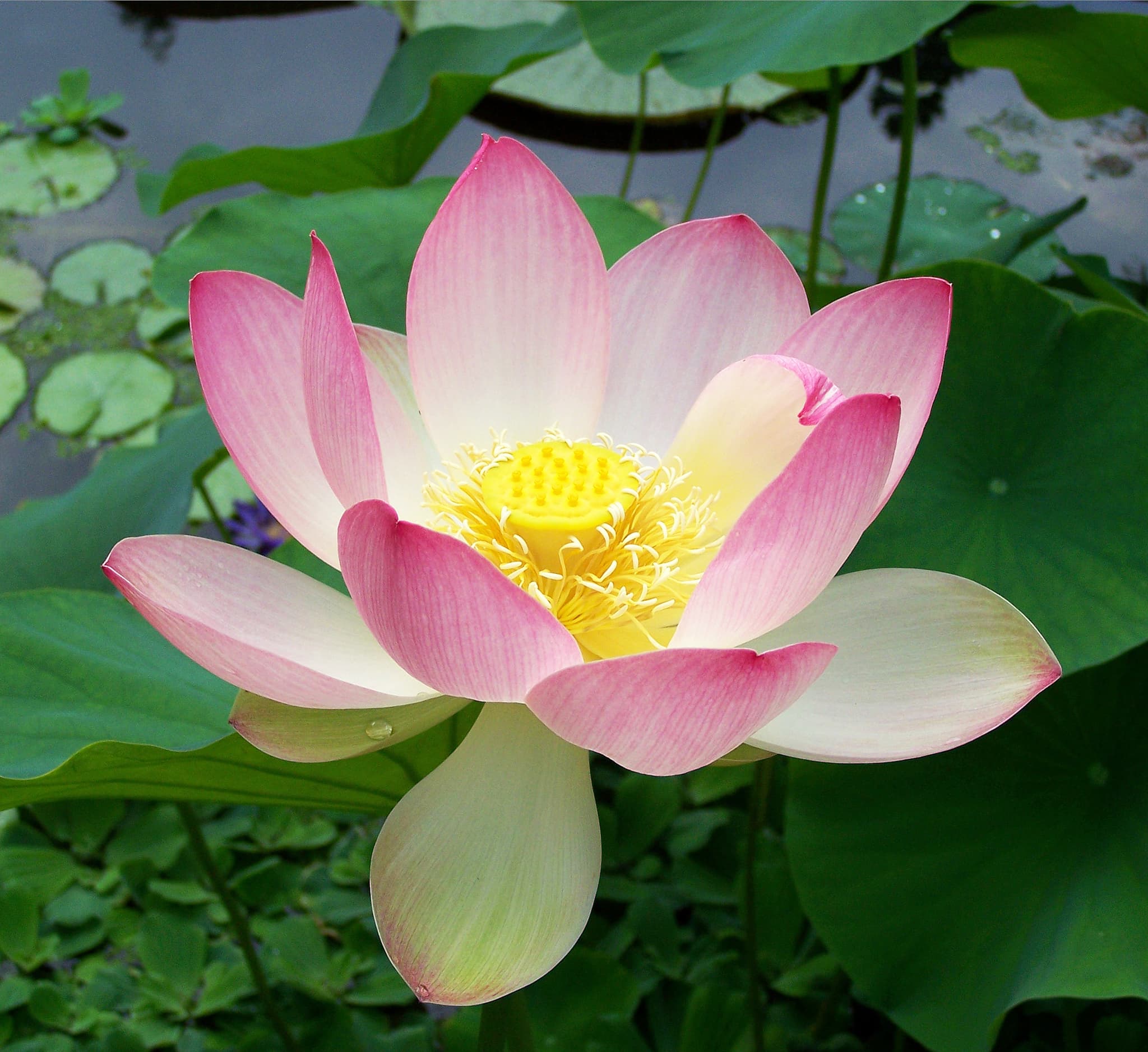
Lian Zi — botanical photograph
T.Voekler · CC BY-SA 3.0 · via Wikimedia Commons

Lian Zi is the seed of Nelumbo nucifera, the sacred lotus of the family Nelumbonaceae, an aquatic plant documented in China, India and Egypt. The seeds contain alkaloids such as neferine, nuciferine and isoliensinine, along with polysaccharides. In traditional practice the seeds have been used for insomnia, palpitations, chronic diarrhea and nocturnal emission, and are traditionally recorded for tonifying the Spleen, calming the Heart and astringing Kidney essence. The whole plant has also been used traditionally as an astringent, emollient and diuretic.

Sources checked for this entry

1 independent source · Last checked 2026-11-25

Botanical identity confirmed via:

Cross-checked against these sources; where nothing was found, the page says so rather than filling the gap.

What the records say

Traditional and modern use

Traditionally Lian Zi has been used for insomnia, palpitations, chronic diarrhea and nocturnal emission. Modern sources describe use in sedative effects, anti-inflammatory activity, antioxidant properties and cardiovascular support.

Recorded dose

The sources record 6-15g seeds daily; 500mg extract.

Safety

No harm in pregnancy is recorded in the sources reviewed. No harm during breastfeeding is recorded in the sources reviewed. No curated drug interactions are currently listed below; absence from this table does not rule out interactions.

In the regulator's words

The source records state: “Constipation conditions” and “Dry stools”.

Supplemental AI research summary · Not human-reviewed

Supplemental AI-compiled PubMed research summary (independent of top profile checks)

Separate from any top-of-page identity or regulatory source check, this supplemental section summarizes selected PubMed (NIH) abstracts using AI assistance and has NOT been human-reviewed. Verify claims directly in PubMed and consult a healthcare provider before use.

Compiled from 15 PubMed articles

Summary

Lian Zi (Nelumbo nucifera seed) is a traditional medicinal herb and functional food used in Asia, containing bioactive alkaloids, flavonoids, and starches with various pharmacological properties [PMID:27057194, PMID:35557671].

Background

Nelumbo nucifera (sacred lotus) is an aquatic crop grown throughout Asia [PMID:27057194]. The seeds are a significant source of high-amylose starch and various secondary metabolites [PMID:35986703, PMID:36596118].

Traditional uses

Seeds are traditionally used in the treatment of tissue inflammation [PMID:27057194]. The whole plant has been used as an astringent, emollient, and diuretic, and for treating diarrhea and homeostasis [PMID:27057194].

Active compounds

Bioactive constituents include alkaloids (specifically bisbenzylisoquinoline alkaloids such as liensinine, isoliensinine, and neferine in embryos [PMID:41154606]) and flavonoids [PMID:27057194]. Seed embryos contain flavonoid C-glycosides and O-glycosides [PMID:28631810]. The seed plumule is rich in hesperidin, neohesperidin, orobol, serotonin, and lotus special O-nornuciferine [PMID:36596118].

Mechanism of action

Mechanisms include the inhibition of the JMJD1C/SP1/ZEB1 signaling pathway to ameliorate epithelial mesenchymal transition in diabetic kidney disease [PMID:39541663], activation of MAPK pathways to stimulate osteogenesis [PMID:40912421], and regulation of gut microbiota to promote bile acid excretion [PMID:40615007] and reduce pro-inflammatory cytokines like TNF-α, IL-6, and IL-1β [PMID:40947251].

Clinical evidence

Provisional grades: study grades in unreviewed AI-compiled drafts may reflect preclinical or review papers until human-reviewed.

Unclassified / anecdotalStudy grade DDiabetic Kidney Disease

Jia Wei Qingxin Lotus Seed Drink ameliorates epithelial mesenchymal transition injury [PMID:39541663]

Unclassified / anecdotalStudy grade DDiabetes Mellitus

Hydroalcoholic seed extract significantly lowered fasting blood glucose and increased GLUT-4 mRNA and protein expression in adipose tissue [PMID:37693992]; seed skin phenolic-rich extracts decreased fasting blood glucose and inhibited α-glucosidase [PMID:38550890]

Unclassified / anecdotalStudy grade DChronic Colitis

Lotus seed starch-chlorogenic acid complexes alleviated pathological symptoms and reduced inflammatory markers (TNF-α, IL-6, IL-1β) via gut microbiota regulation [PMID:40947251]

Unclassified / anecdotalStudy grade DHyperlipidemia

Lotus seed resistant starch reduced total cholesterol, triglycerides, and LDL-C by promoting bile acid excretion [PMID:40615007]

Unclassified / anecdotalStudy grade DFood Allergy

Oral administration of lotus-seed resistant starch attenuated allergic diarrhea and improved Th1/Th2 imbalance [PMID:36832810]

Unclassified / anecdotalStudy grade DUVB-induced skin damage

Lotus seed tea administration showed evidence of skin protection against UVB irradiation [PMID:26451352]

Safety & adverse effects

Lotus seeds are mentioned in a review regarding mycotoxin contamination (aflatoxin and ochratoxin), which can lead to toxicity [PMID:40137912].

Evidence summary

The current evidence is primarily based on in vitro studies and animal models (rodents/zebrafish), indicating a low overall clinical strength (Level D).

PubMed sources

  1. 1.PMID: 39541663 (2024) — Jia Wei Qingxin Lotus Seed Drink ameliorates epithelial mesenchymal transition injury in diabetic kidney disease via inhibition of JMJD1C/SP1/ZEB1 signaling pathway. · Phytomedicine : international journal of phytotherapy and phytopharmacology
  2. 2.PMID: 27057194 (2015) — Phytochemical Profile and Biological Activity of Nelumbo nucifera. · Evidence-based complementary and alternative medicine : eCAM
  3. 3.PMID: 28631810 (2017) — Flavonoids of Lotus (Nelumbo nucifera) Seed Embryos and Their Antioxidant Potential. · Journal of food science
  4. 4.PMID: 40947251 (2025) — Lotus seed starch-chlorogenic acid complexes alleviated chronic colitis and linked cognitive dysfunction via gut microbiota regulation: gut-brain-axis interaction. · Carbohydrate polymers
  5. 5.PMID: 36832810 (2023) — Oral Administration of Lotus-Seed Resistant Starch Protects against Food Allergy. · Foods (Basel, Switzerland)
  6. 6.PMID: 36596118 (2023) — Integration of metabolomics and transcriptomics analyses investigates the accumulation of secondary metabolites in maturing seed plumule of sacred lotus (Nelumbo nucifera). · Food research international (Ottawa, Ont.)
  7. 7.PMID: 26451352 (2015) — Photoprotective Effect of Lotus (Nelumbo nucifera Gaertn.) Seed Tea against UVB Irradiation. · Preventive nutrition and food science
  8. 8.PMID: 40912421 (2025) — Lotus seed (Nelumbo nucifera) protein-derived calcium-binding peptides: Isolation, characterization, and osteogenic effect. · International journal of biological macromolecules
  9. 9.PMID: 40615007 (2025) — Lotus seed resistant starch ameliorates blood lipid by regulating flora and promoting bile acids excretion in hyperlipidemic rats. · International journal of biological macromolecules
  10. 10.PMID: 35557671 (2022) — LC-ESI-QTOF-MS/MS Characterization and Estimation of the Antioxidant Potential of Phenolic Compounds from Different Parts of the Lotus (Nelumbo nucifera) Seed and Rhizome. · ACS omega
  11. 11.PMID: 40137912 (2025) — Mechanism of Mycotoxin Contamination of Medicinal Herbs. · Toxins
  12. 12.PMID: 38550890 (2024) — Hypoglycemic activity in vivo and in vitro of the Lotus (Nelumbo nucifera Gaertn.) seed skin (testa) phenolic-rich extracts. · Food chemistry: X
  13. 13.PMID: 37693992 (2023) — Hypoglycemic Effect of Nelumbo Nucifera Seed Extract on GLUT-4 mRNA and GLUT-4 Protein in Streptozotocin-Induced Diabetic Rats. · Journal of pharmacy & bioallied sciences
  14. 14.PMID: 35986703 (2022) — Differential expression involved in starch synthesis pathway genes reveal various starch characteristics of seed and rhizome in lotus (Nelumbo Nucifera). · Journal of food science
  15. 15.PMID: 41154606 (2025) — Pharmacological Potential and Mechanisms of Bisbenzylisoquinoline Alkaloids from Lotus Seed Embryos. · Biomolecules
Safety Information
Important safety considerations for this herb
Unknown — insufficient human data

Contraindications

  • Constipation conditions
  • Dry stools

Possible Side Effects

  • Constipation if overused
  • Bloating

Sources & Citations

  • PubMed · Total alkaloids from the seed embryo of Nelumbo nucifera Gaertn. improve cognitive impairment in APP/PS1 mice and protect Aβ-damaged PC12 cells. (2023)Source
  • PubMed · Hypoglycemic Effect of Nelumbo Nucifera Seed Extract on GLUT-4 mRNA and GLUT-4 Protein in Streptozotocin-Induced Diabetic Rats. (2023)Source

Government sources

No direct NIH, EMA, or WHO monograph link is mapped for this herb yet. Use the official registry search links below to inspect primary regulatory records directly.

Frequently asked questions

What is Lian Zi used for?

Palpitations. Chronic diarrhea. Nocturnal emission. (Recorded from licensed-product and monograph sources: PubMed.)

What dose of Lian Zi is used?

6-15g seeds daily; 500mg extract. This is the labelled or monograph dose recorded for this entry, not a personal recommendation. (PubMed.)

Who should avoid Lian Zi?

Constipation conditions. Dry stools. These cautions come from the product labels and monographs attached to this entry.

Where does this information about Lian Zi come from?

This entry was cross-checked against: PubMed; ITIS; NCBI Taxonomy; GBIF. Every claim on this page is attributed to one of those sources, and fields with no source are left blank rather than filled in.

Calculate a safe dose of Lian Zi

Free adult monograph reference checker (18+ — unscaled adult reference doses).

Calculate Dose
Share:XFBin

The safety digest

One short email when a herb-drug interaction worth knowing about changes. No newsletter theatre, no daily drip. Unsubscribe in one click.

By subscribing you agree to receive HerbAlly's occasional safety digest. You can unsubscribe at any time.